
New Order Story
New Order
Born from the ashes of Joy Division, New Order reshaped what a band could be. From the stark post-punk of their earliest recordings to the electronic pulse of Blue Monday and beyond, their story traces decades of reinvention, tension, innovation and enduring influence.
New Order biography
When Joy Division's Ian Curtis committed suicide in May 1980, the three remaining members — Bernard Sumner (b. Bernard Dicken, 4 January 1956, Salford, Manchester; guitar, vocals), Peter Hook (b. 13 February 1956, Manchester; bass) and Stephen Morris (b. 28 October 1957, Macclesfield; drums) — continued under the name New Order.
Sumner took over vocal duties and the trio embarked on a low-key tour of the USA, intent on continuing as an entity independent of the massive reputation Joy Division had achieved shortly before their demise.
Later that same year they recruited Morris's girlfriend, Gillian Gilbert (b. 27 January 1961, Manchester, England; keyboards, guitar) and wrote and rehearsed their debut, Movement, which was released the following year. Their first single, 'Ceremony', penned by Joy Division, was a UK Top 40 hit in the spring of 1981, and extended the legacy of their previous band.
Much was made, in 1983, of the band 'rising from the ashes' of Joy Division in the music press, when Power, Corruption And Lies was released. Their experimentation with electronic gadgetry was fully realized and the album contained many surprises and memorable songs. The catchy bass riff and quirky lyrics of 'Age Of Consent' made it an instant classic, while the sign-off line on the otherwise elegiac 'Your Silent Face', 'You've caught me at a bad time/So why don't you piss off', showed that Sumner no longer felt under any pressure to match the poetic, introspective lyricism of Ian Curtis.
'Blue Monday', released in 12-inch format only, went on to become the biggest-selling 12-inch single of all time in the UK. In 1983 'disco' was a dirty word in the independent fraternity and 'Blue Monday', which combined an infectious dance beat with a calm, aloof vocal, was a brave step into uncharted territory. As well as influencing a legion of UK bands, it would be retrospectively regarded as a crucial link between the disco of the 70s and the dance/house music wave at the end of the 80s.
New Order had now clearly established themselves, and throughout the 80s and into the 90s they remained the top independent band in the UK, staying loyal to Manchester's Factory Records. Their subsequent collaboration with 'hot' New York hip-hop producer Arthur Baker spawned 'Confusion' (1983) and 'Thieves Like Us' (1984), cementing New Order's sizeable reputation in the USA.
The band continued to evolve their sound throughout the late 80s and into the 90s, releasing critically acclaimed albums including Brotherhood (1986), Technique (1989) — which debuted at #1 in the UK — and Republic (1993). After a prolonged hiatus the band returned with Get Ready in 2001, adding guitarist Phil Cunningham to the lineup. After Peter Hook's departure in 2007, bassist Tom Chapman joined, and the band has continued releasing music and touring, with Music Complete (2015) and Be a Rebel (2020) among their most recent work.
Timeline
-
1976
Warsaw begins
The group that will become Joy Division forms in Manchester under the name Warsaw. Sumner, Hook and Curtis meet through mutual connections in the Manchester punk scene.

-
June 4th, 1976
The Manchester spark
Bernard Sumner and Peter Hook attend the Sex Pistols show at Manchester Lesser Free Trade Hall, an event often cited as a catalyst for their decision to form a band.

-
1978
Warsaw becomes Joy Division
Warsaw changes its name to Joy Division. The band signs with Factory Records, the Manchester independent label run by Tony Wilson and Alan Erasmus.

-
June 15th, 1979
Unknown Pleasures released
Joy Division release Unknown Pleasures, produced by Martin Hannett. The record receives critical acclaim in the British music press and builds the band a dedicated following through extensive touring.

-
May 18th, 1980
Ian Curtis dies
Joy Division ends after the death of Ian Curtis, aged 23, on the eve of the band's first North American tour. Bernard Sumner, Peter Hook and Stephen Morris decide to continue under a new name.
-
July 29th, 1980
First post-Joy Division performance
The unnamed trio of Bernard Sumner, Peter Hook and Stephen Morris perform at Manchester's Beach Club before the New Order name is settled.
-
1980
New Order forms KEY
Following the death of Ian Curtis, Bernard Sumner, Peter Hook and Stephen Morris continue as a new group. They recruit Morris's girlfriend, Gillian Gilbert, on keyboards. The group eventually takes the name New Order.

-
October 25th, 1980
Gillian Gilbert joins
Gillian Gilbert makes her live debut with New Order, completing the classic early four-piece line-up.
-
March 6th, 1981
Ceremony released
Ceremony, written during Joy Division's final period, becomes New Order's debut single and reaches the UK Top 40, bridging the two bands' histories.
-
Sep 1981
Ceremony re-recorded
New Order release the re-recorded version of Ceremony, now featuring Gillian Gilbert.
-
Sep 1981
Procession released
Procession continues the band's early singles run before the release of Movement.
-
November 13th, 1981
Movement released KEY
New Order release their debut album, Movement — a stark record still close to Joy Division's shadow but already searching for a new identity.

-
Dec 1981
Everything's Gone Green released
Everything's Gone Green points toward the band's growing interest in electronic rhythm, sequencing and dance structure.
-
May 10th, 1982
Temptation released
Temptation opens up a warmer, more melodic New Order sound and becomes one of the band's defining early songs — the first to lean fully into an extended dance structure.

-
March 7th, 1983
Blue Monday released KEY
Blue Monday is released as a 12-inch single and becomes New Order's defining electronic breakthrough — the biggest-selling 12-inch single of all time in the UK. Produced entirely by the band, it fuses post-punk severity with the euphoria of early electronic dance music.

-
May 2nd, 1983
Power, Corruption & Lies released KEY
Power, Corruption & Lies confirms New Order's transformation into a band capable of fusing post-punk atmosphere with electronic dance music. Issued without any single listed on the sleeve — a deliberate statement.
-
Aug 1983
Confusion released
Confusion, co-produced with Arthur Baker in New York, deepens the band's connection to New York club culture and electro.
-
Apr 1984
Thieves Like Us released
Thieves Like Us continues New Order's run of major non-album singles, produced again with Arthur Baker.

-
1984
Murder released
Murder appears as an instrumental release in the band's Factory-era catalogue.
-
May 13th, 1985
Low-Life released KEY
Low-Life captures the band at one of its strongest points, balancing guitars, electronics, club rhythms and melancholy pop. It reaches #7 in the UK and yields the singles 'Sub-Culture' and 'The Perfect Kiss'.

-
May 13th, 1985
The Perfect Kiss released
The Perfect Kiss becomes one of the band's major mid-80s singles and a live favourite, accompanied by a Jonathan Demme-directed film shot at the Haçienda.
-
Oct 1985
Sub-culture released
Sub-culture extends the Low-Life era with a club-facing single release.
-
Mar 1986
Shellshock released
Shellshock appears during the band's mid-80s run and is associated with the Pretty in Pink soundtrack.
-
Sep 1986
State of the Nation released
State of the Nation arrives around the Brotherhood era and later appears on many editions of the album.
-
September 29th, 1986
Brotherhood released KEY
Brotherhood reflects the band's guitar-driven and electronic sides. Largely written live in the studio, it yields 'Bizarre Love Triangle' — one of New Order's most enduring songs.

-
Nov 1986
Bizarre Love Triangle released
Bizarre Love Triangle becomes one of New Order's most enduring songs and a defining example of their melodic electronic pop.
-
July 20th, 1987
True Faith released KEY
True Faith brings New Order to a wider audience, pairing emotional songwriting with a polished electronic sound.
-
August 17th, 1987
Substance released
Substance compiles all of New Order's 12-inch singles and B-sides, reaching #3 in the UK and becoming the definitive document of their singles output.

-
December 7th, 1987
Touched by the Hand of God released
Touched by the Hand of God continues the band's late-80s singles run.
-
Mar 1988
Blue Monday 1988 released
Blue Monday 1988 brings the band's defining single back into the charts in remixed form, timed to a new generation of dance floors as acid house sweeps the UK.

-
Nov 1988
Fine Time released
Fine Time introduces the Technique era with a club-focused sound.
-
January 30th, 1989
Technique released KEY
Technique is recorded largely on the island of Ibiza and debuts at #1 in the UK — New Order's first chart-topping album. The record pushes the band further into dance culture while retaining their emotional and melodic identity.

-
1989
Round & Round released
Round & Round becomes one of the major singles from Technique.
-
1989
Run 2 released
Run 2 closes the main singles run from Technique.
-
May 21st, 1990
World in Motion released KEY
World in Motion is released for England's World Cup campaign and reaches #1 in the UK, becoming one of the band's most widely known singles.

-
1990
Revenge releases One True Passion
Peter Hook's project Revenge releases One True Passion, part of the growing side-project landscape around New Order.
-
May 28th, 1991
Electronic released
Electronic — the project featuring Bernard Sumner and Johnny Marr — releases its self-titled debut album, reaching #2 in the UK.
-
1991
The Other Two release Tasty Fish
Stephen Morris and Gillian Gilbert release Tasty Fish as The Other Two.
-
April 5th, 1993
Regret released
Regret introduces the Republic era and becomes one of New Order's most successful singles.
-
May 3rd, 1993
Republic released KEY
Republic debuts at #1 in the UK despite the collapse of Factory Records weeks later. It becomes the band's last studio album for eight years. New Order sign with London Records and then enter an extended hiatus.

-
June 21st, 1993
Ruined in a Day released
Ruined in a Day continues the singles run from Republic.
-
August 23rd, 1993
World (The Price of Love) released
World (The Price of Love) is released as another single from Republic.
-
1993
Hiatus begins KEY
After the Republic period, New Order enter an extended hiatus while members focus on side projects and personal lives.
-
December 6th, 1993
Spooky released
Spooky becomes the final single from the Republic campaign.
-
November 21st, 1994
(the best of) New Order released
The compilation (the best of) New Order reframes the band's catalogue during the long break between studio albums.
-
1995
1963 released as a single
1963, originally connected to True Faith, is released as a single in its own right.
-
June 9th, 1997
Monaco releases Music for Pleasure
Peter Hook and David Potts release Music for Pleasure as Monaco, reaching #11 in the UK.

-
1998
New Order return live
New Order return to live activity after several years away.
-
May 15th, 1999
Rob Gretton dies
Rob Gretton, Joy Division and New Order's long-time manager since 1978, dies aged 46 — a profound loss for the band and for Manchester's music community.
-
2001
Phil Cunningham joins
Phil Cunningham joins New Order, initially covering live duties while Gillian Gilbert steps back from touring.
-
2001
Gillian Gilbert steps back from touring
Gillian Gilbert steps back from New Order's live activity during the Get Ready period.
-
August 13th, 2001
Crystal released
Crystal introduces New Order's return with a heavier guitar-driven sound.
-
August 27th, 2001
Get Ready released KEY
Get Ready is released — New Order's first studio album in eight years, reconnecting the band with a more guitar-driven sound and reaching #6 in the UK. Guitarist Phil Cunningham joins to cover for Gillian Gilbert, who steps back to care for their daughter.

-
Nov 2001
60 Miles an Hour released
60 Miles an Hour continues the Get Ready singles campaign.
-
2002
Here to Stay released
Here to Stay is released and becomes associated with the film 24 Hour Party People.
-
March 7th, 2005
Krafty released
Krafty introduces the Waiting for the Sirens' Call era.
-
March 28th, 2005
Waiting for the Sirens' Call released KEY
Waiting for the Sirens' Call is released — the band's final studio album of new material with Peter Hook. Gillian Gilbert rejoins the live line-up for the accompanying world tour.

-
May 16th, 2005
Jetstream released
Jetstream, featuring Ana Matronic, becomes one of the album's main singles.
-
September 19th, 2005
Waiting for the Sirens' Call single released
The title track from Waiting for the Sirens' Call is released as a single.
-
November 16th, 2005
Guilt Is a Useless Emotion promoted in the US
Guilt Is a Useless Emotion is promoted in the US during the Waiting for the Sirens' Call campaign.
-
May 2007
Peter Hook departs KEY
Peter Hook announces that New Order have split. Bernard Sumner and Stephen Morris later dispute that he speaks for the whole band, but Hook's departure becomes the defining break in the line-up. Hook subsequently forms Peter Hook & The Light, touring the Joy Division and New Order catalogues in full.

-
October 5th, 2009
Bad Lieutenant releases Never Cry Another Tear
Bernard Sumner, Phil Cunningham and Jake Evans release Never Cry Another Tear as Bad Lieutenant.
-
2010
Peter Hook & The Light begins
Peter Hook begins performing Joy Division and New Order material with Peter Hook & The Light.
-
Sep 2011
New Order return KEY
New Order officially announce their return — with Gillian Gilbert restored to the line-up and Tom Chapman confirmed as the permanent bassist in place of Peter Hook. The reconstituted band begins work on new material and returns to the live circuit.

-
October 17th, 2011
First reunited New Order show
The reunited New Order line-up performs at Ancienne Belgique in Brussels.
-
October 18th, 2011
Paris benefit show
New Order perform at the Bataclan in Paris as part of the 2011 benefit shows.
-
January 11th, 2013
Lost Sirens released
Lost Sirens is released from material recorded during the Waiting for the Sirens' Call sessions a decade earlier. Its release without Hook's involvement is itself a flashpoint in the ongoing dispute.

-
June 22nd, 2015
Music Complete announced
New Order announce Music Complete, their first album for Mute and their first full studio album without Peter Hook.
-
2015
Restless released
Restless introduces the Music Complete era.
-
September 25th, 2015
Music Complete released KEY
Music Complete is released on Mute — New Order's first full studio album without Peter Hook and the first with Gillian Gilbert back in the studio line-up. It reaches #2 in the UK and receives widespread critical acclaim. Guest collaborators include Iggy Pop and Brandon Flowers.

-
2015
Tutti Frutti released
Tutti Frutti highlights the renewed electronic-pop direction of the Music Complete era.
-
2016–2018
Music Complete world tour
An extensive world tour in support of Music Complete takes the band across Europe, North America and beyond, including headline festival slots. In 2018 New Order play Coachella, introducing their music to a new generation.
-
2016
People on the High Line released
People on the High Line continues the Music Complete singles run.
-
May 26th, 2017
NOMC15 released
NOMC15 documents the modern New Order live line-up.
-
September 20th, 2017
Peter Hook dispute settled
A settlement is announced in the dispute between Peter Hook and the rest of New Order.
-
2019
Σ(No,12k,Lg,17Mif) New Order + Liam Gillick: So it goes.. released
New Order release the live album documenting their collaboration with Liam Gillick.
-
September 8th, 2020
Be a Rebel released
Be a Rebel is released — New Order's first new song since Music Complete — a driving, euphoric statement during the pandemic. A reworked expanded edition of Music Complete follows.
-
2021–2022
Return to the stage
As venues reopen following the pandemic, New Order return with rescheduled and new dates across the UK and Europe. The shows underscore how enduringly the back catalogue travels across four decades.
-
November 10th, 2023
Substance 1987 reissued
Substance 1987 receives a major expanded reissue in new restorations, prompting renewed appreciation for one of the most creatively fertile periods in the band's history.
-
November 22nd, 2024
Brotherhood Definitive Edition released
Brotherhood receives a Definitive Edition box set as part of New Order's archival reissue programme. New Order headline the Cruel World Festival in Pasadena, California.
-
2025–
Continuing to perform
New Order continue to perform live to sold-out audiences worldwide. Remastered editions of key catalogue albums are announced. Over forty years since their formation, the band remain one of the most distinctive and influential forces in British music.
Line-up timeline
See how the band's membership changed across the years.
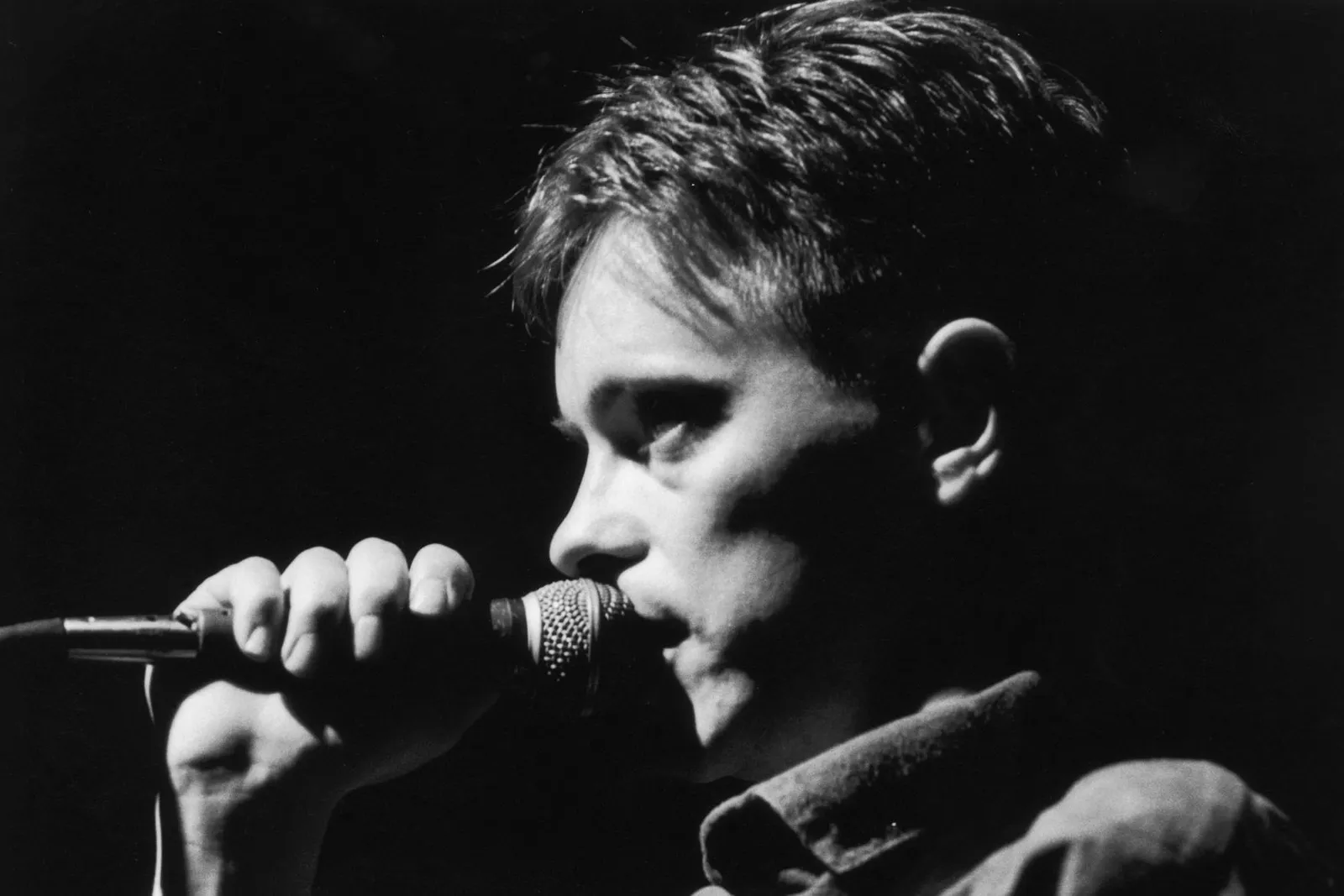
Vocals, Guitar, Keyboards
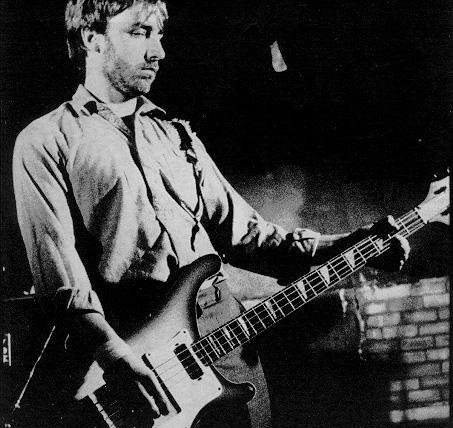
Bass Guitar
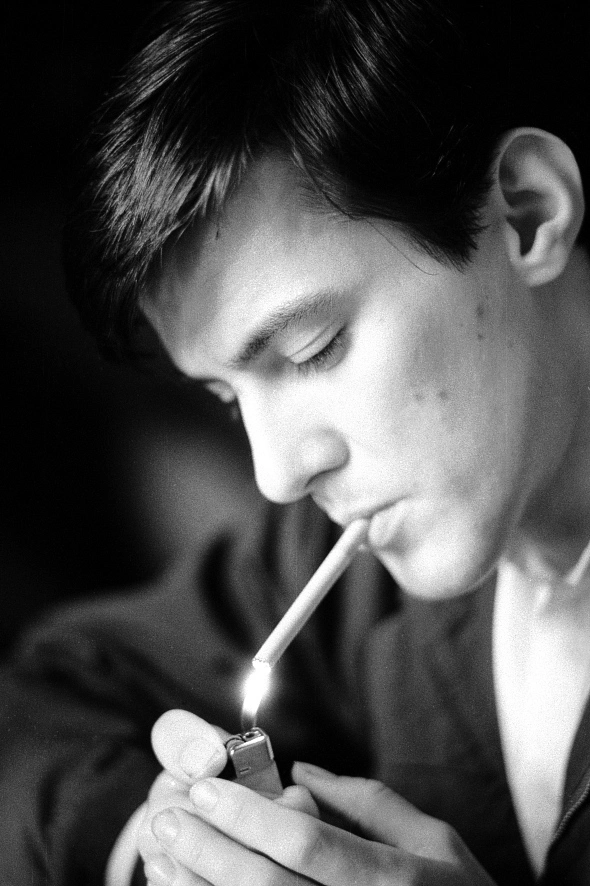
Drums, Percussion, Keyboards
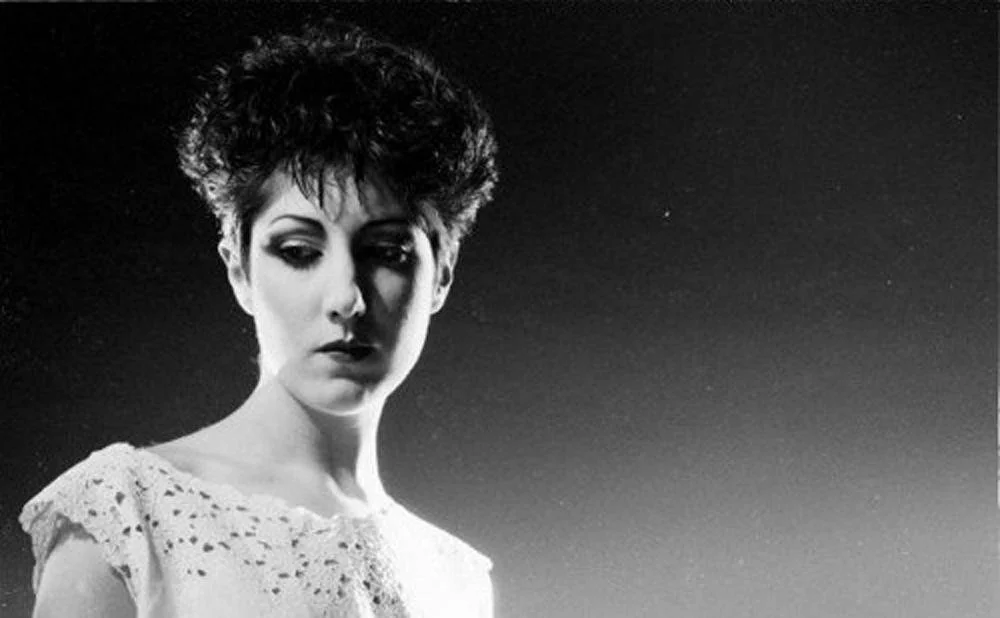
Keyboards, Guitar
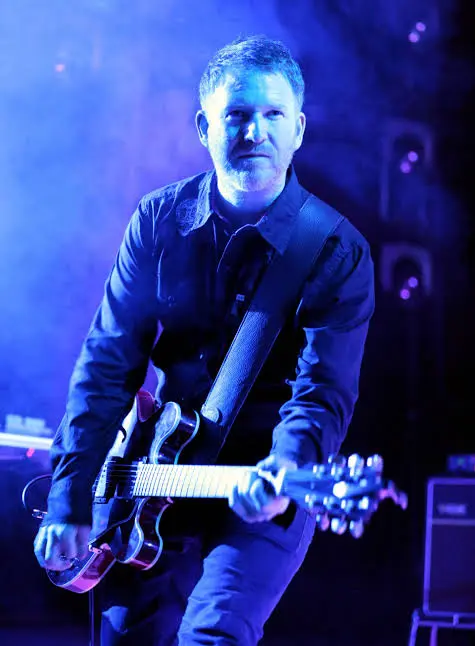
Guitar, Keyboards
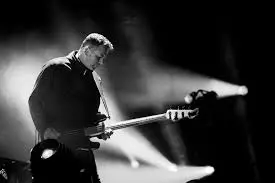
Bass Guitar
